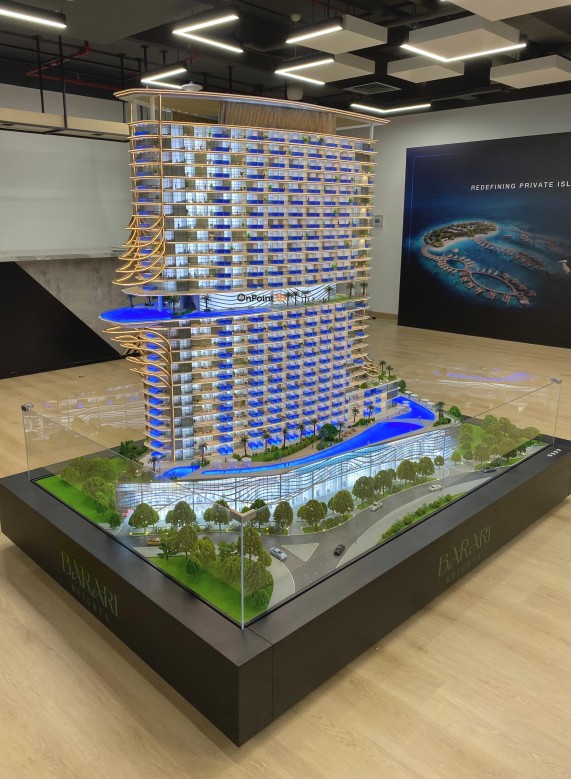
When discussing modeling in product design, it’s often assumed there are only two model types: client-facing and design-process. However, these categories aren’t mutually exclusive. Top product designers and model making companies in UAE know that the most successful projects utilize a combination of both throughout the design process.
Internal study tools
Designers use basic shapes to test ideas quickly. These early versions help the team find mistakes early. You can change things fast without spending much money. It is all about trying new shapes and sizes. These models help the office see if a roof or wall works well. They are messy but very useful for the creative staff.
Client presentation styles
When showing a project to a buyer, the look must be perfect. These versions use high quality materials and lights. They show the colors and textures of the final building. Buyers need to see exactly what they are paying for. A clean finish helps sell the dream to a big crowd. It makes the project look real and ready to build.
Speed and cost
Process tools are cheap and fast to build. Staff might use cardboard or foam to make them in one day. Presentation versions take weeks to finish and cost much more. They need expert hands to make every tiny window look right. One focuses on speed while the other focuses on beauty. Balancing both helps a project move forward without any big delays.
Detail levels
Internal models do not need tiny trees or small cars. They focus on the big parts of the structure. Presentation versions include every small detail like grass and people. This helps the buyer see the scale of the whole site. Detailed work makes a huge difference during a formal meeting. It removes any doubt about how the final work will appear.
Feedback loops
Designers use their own tools to talk with engineers. They fix structural problems by looking at the physical shape. When the client sees the final version, the talk is different. They focus on how the space feels and looks. Both steps help the project reach a good finish. Clear communication keeps the work on track every single week.